
Treat Metal Parts at
−190°C for Permanent
Performance Gains
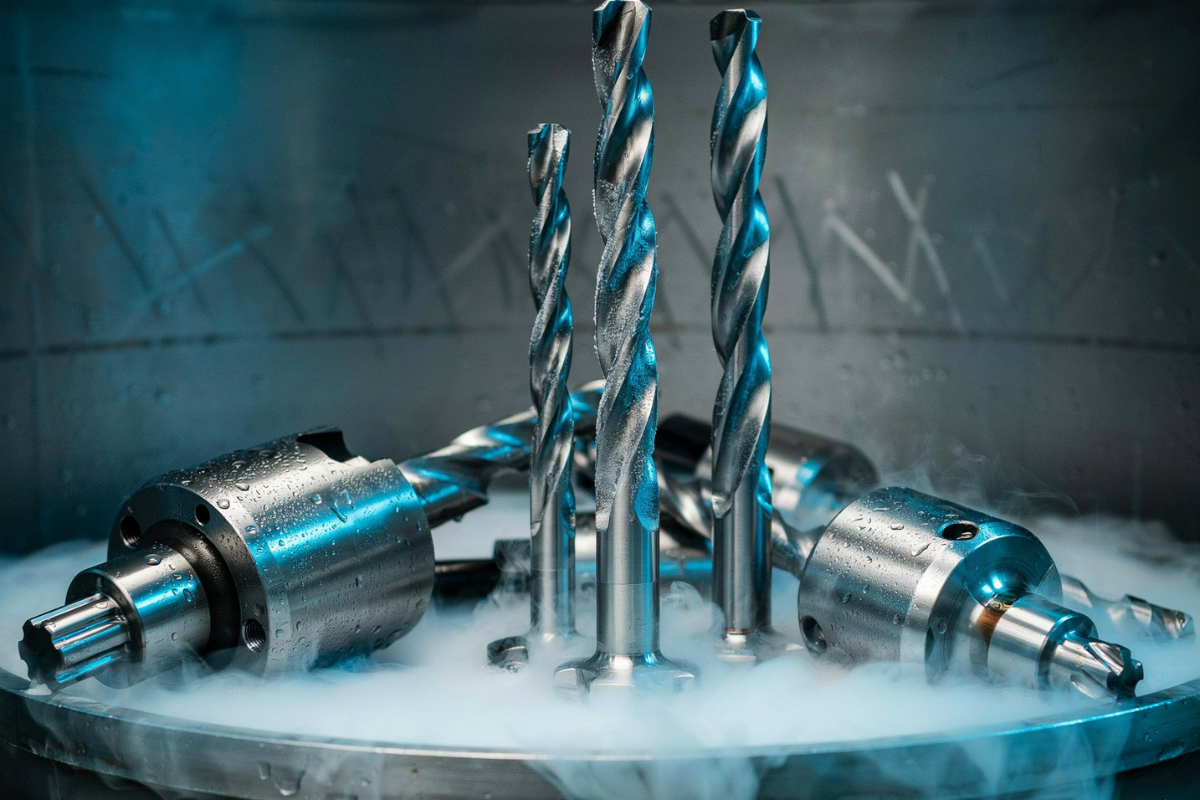
Improve wear life, toughness, and dimensional stability of tools, dies, and components through a one-time, irreversible deep cryogenic treatment process — trusted since 1999 in Surat, India.
 Hero Image
Process
How Deep Cryogenic Treatment Works
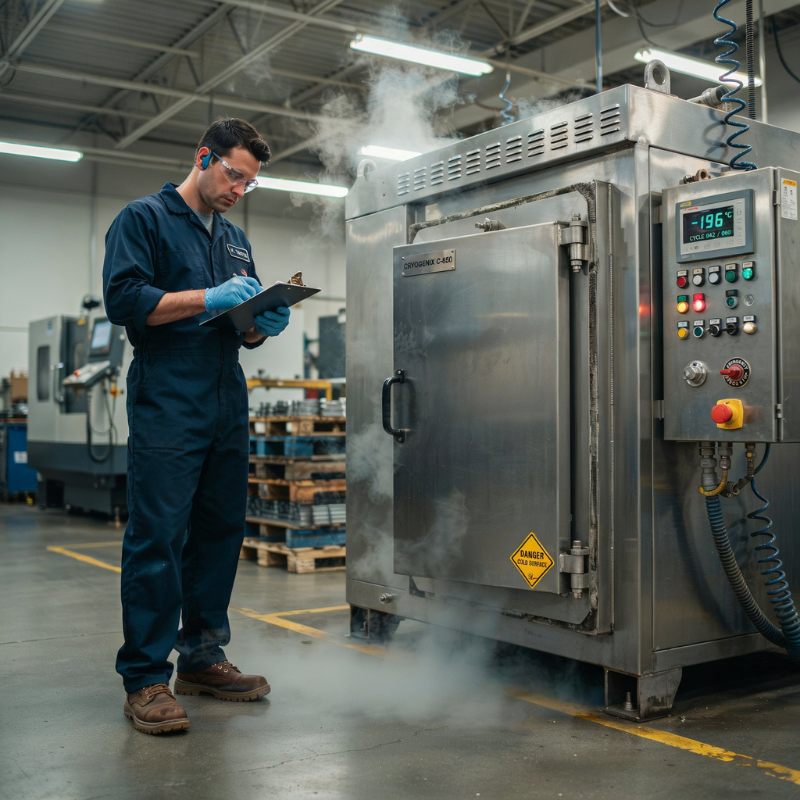
The treatment follows a carefully controlled time-temperature profile. Variables like material composition, wall thickness, and total mass determine the exact profile used for each batch.
Initial Part Assessment
Parts are inspected for material type, wall thickness, coating and mass. A custom time-temperature profile is selected. Dimensional baseline is recorded — changes will be only 5–10 microns.
Controlled Cooling to −190°C
Parts are lowered in precise phases to −190°C using liquid nitrogen. Thermal shock is eliminated by a gradual ramp to prevent stress fractures in complex geometries.
Ultra-low Temperature Soak
Retained Austenite converts to tough Martensite (up to 99.7%). Carbide molecules disperse uniformly. Fine new carbide particles form, relieving internal stresses.
Controlled Return to Room Temperature
Parts are slowly returned to ambient temperature in phased steps — ensuring microstructural changes are locked in without thermal distortion.
Post-temper (where applicable)
Certain steels and carbides benefit from a gentle post-temper, further stabilising the Martensite structure and reducing residual brittleness.
Applications
What Can Be Treated
Any ferrous or non-ferrous part that undergoes wear, fatigue, or thermal stress is a candidate. Coated parts (TiN, TiAlN) can also be processed without losing coating integrity.
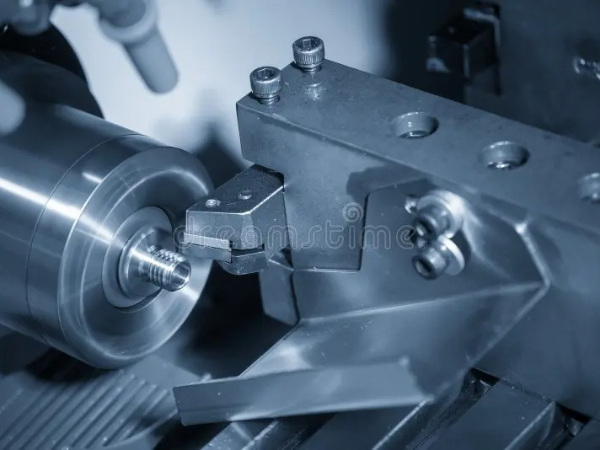
Cutting & Turning Tools
Lathe inserts, milling cutters, boring bars
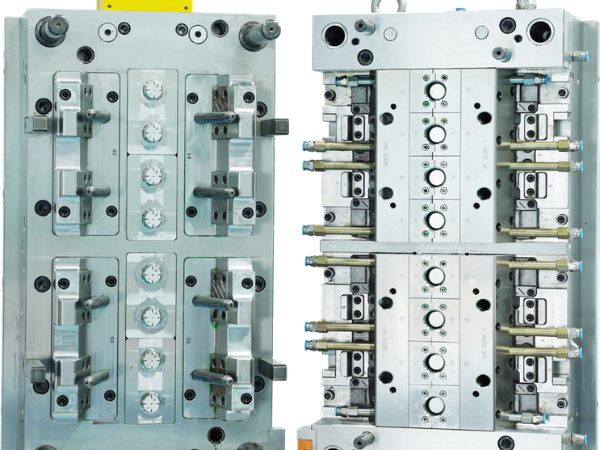
Dies & Moulds
Stamping dies, injection moulds, forging dies
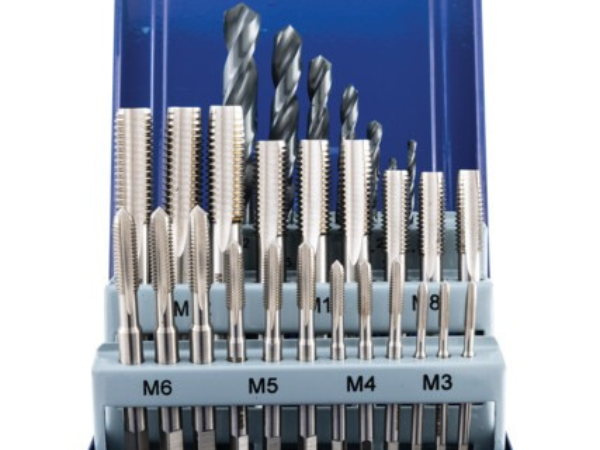
Drill Bits & Taps
HSS and carbide drills, taps, reamers
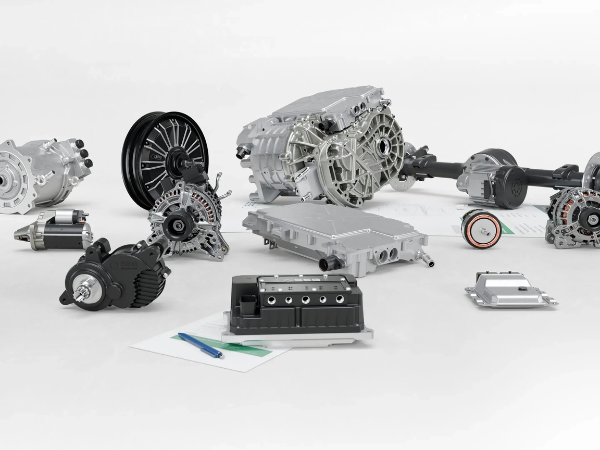
Automotive Components
Gears, camshafts, brake rotors
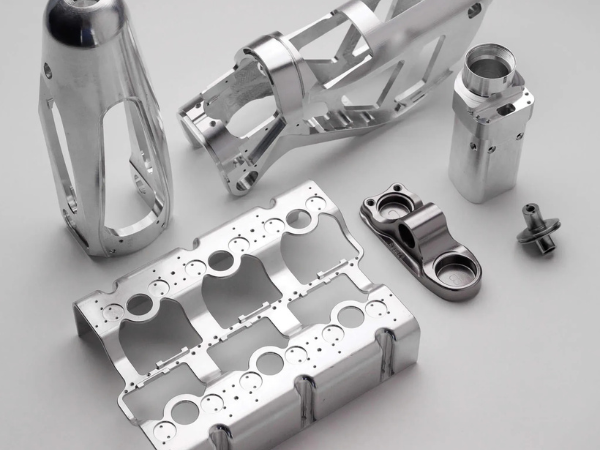
Aerospace Parts
Turbine blades, structural fasteners
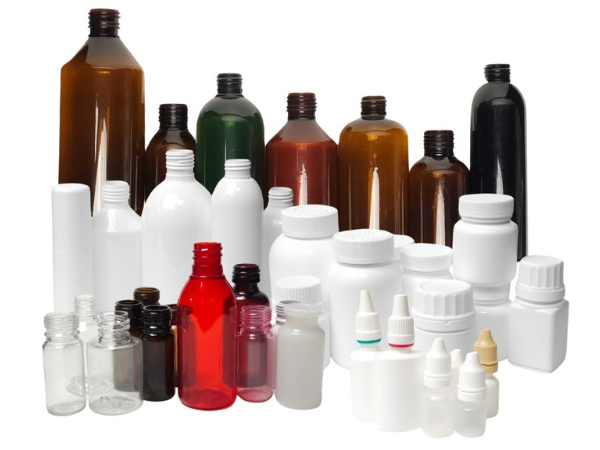
Pharmaceutical & Plastics
Punches, extrusion screws, plastic parts
Results
Before & After Treatment
Visual evidence of the difference cryogenic treatment makes. Upload your own comparison photos from customer parts or lab specimens.
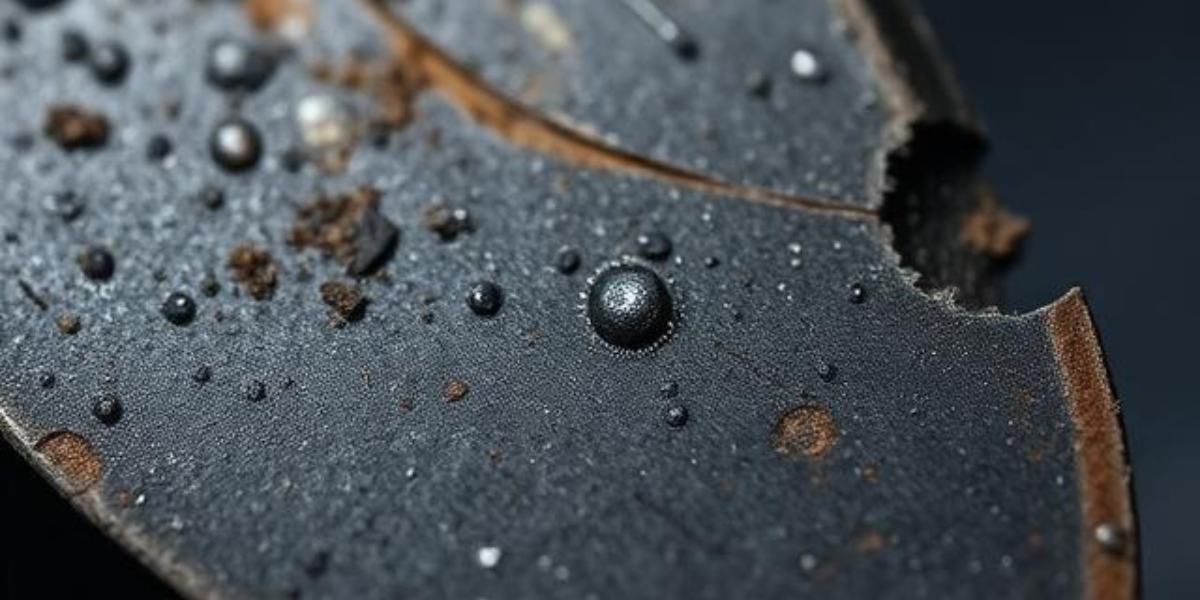
Before Treatment
Typical worn surface showing micro-cracks, uneven carbide distribution, and retained austenite regions.
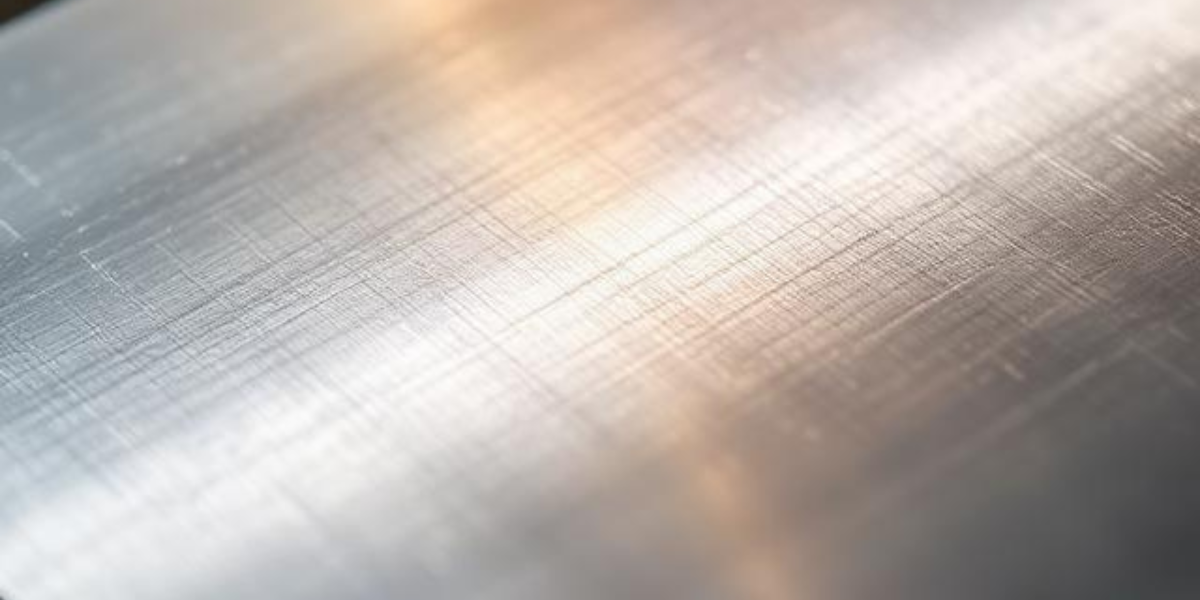
After Treatment
Treated surface with uniform martensite structure, dispersed carbides, and significantly reduced wear markers.
Performance Data
Typical Improvement Results
Results compiled from in-house testing, customer data, and reputed national laboratory studies.
| Component / Tool | Material | Before | After | Improvement |
|---|---|---|---|---|
| Milling Cutter | M2 HSS | 800 parts/grind | 2,100 parts/grind | ↑ 163% |
| Stamping Die | D2 Tool Steel | 50,000 hits | 180,000 hits | ↑ 260% |
| Drill Bit | Solid Carbide | Standard life | 3× standard life | ↑ 200% |
| Gear (Automotive) | EN36 | Baseline fatigue | +38% fatigue limit | ↑ 38% |
| Injection Mould | P20 Steel | 80,000 shots | 220,000 shots | ↑ 175% |
| Tap (M6) | HSS-Co | 1,200 holes | 3,900 holes | ↑ 225% |
Benefits
What You Gain from One Treatment
Every benefit is retained even after regrinding — because the entire bulk of the material is transformed, not just the surface.
Increased Wear Resistance
Uniform carbide dispersion dramatically reduces surface wear under friction.
No Change in Hardness
Tougher, not harder — less brittle without being over-hardened or prone to chipping.
Uniform Molecular Structure
Parts can be machined to closer tolerances with less scrap and distortion.
Greater Impact & Fatigue Resistance
Improved resistance to shock loading and cyclic fatigue in demanding applications.
Better Heat Dissipation
Materials dissipate heat more efficiently — enabling higher cutting speeds.
Corrosion Resistance
Micro-surface smoothing reduces oxidation pathways and chemical attack.
Permanent — One Treatment Only
Benefits survive regrinding. Treat once and benefit through the entire service life.
Significant Cost Savings
Longer tool life + fewer regrinds + less downtime = measurable ROI per batch.
Compatible Materials
Works On Almost Any Material
Ferrous and non-ferrous metals, carbides, plastics, and coated parts — including TiN and TiAlN coatings.
High Speed Steel
M2, M35, M42, HSS-Co
Tool Steel
D2, H13, P20, O1, A2
Solid Carbide
Turning, milling, drilling
Stainless Steel
304, 316, 17-4PH
Cast Iron
Grey, ductile, austempered
Alloy Steels
EN36, EN24, 4140, 4340
Coated Parts
TiN, TiAlN, TiCN
Engineering Plastics
Nylon, PTFE, UHMWPE
FAQ